






What Are Oral Dissolving Films? A Buyer’s Format Guide
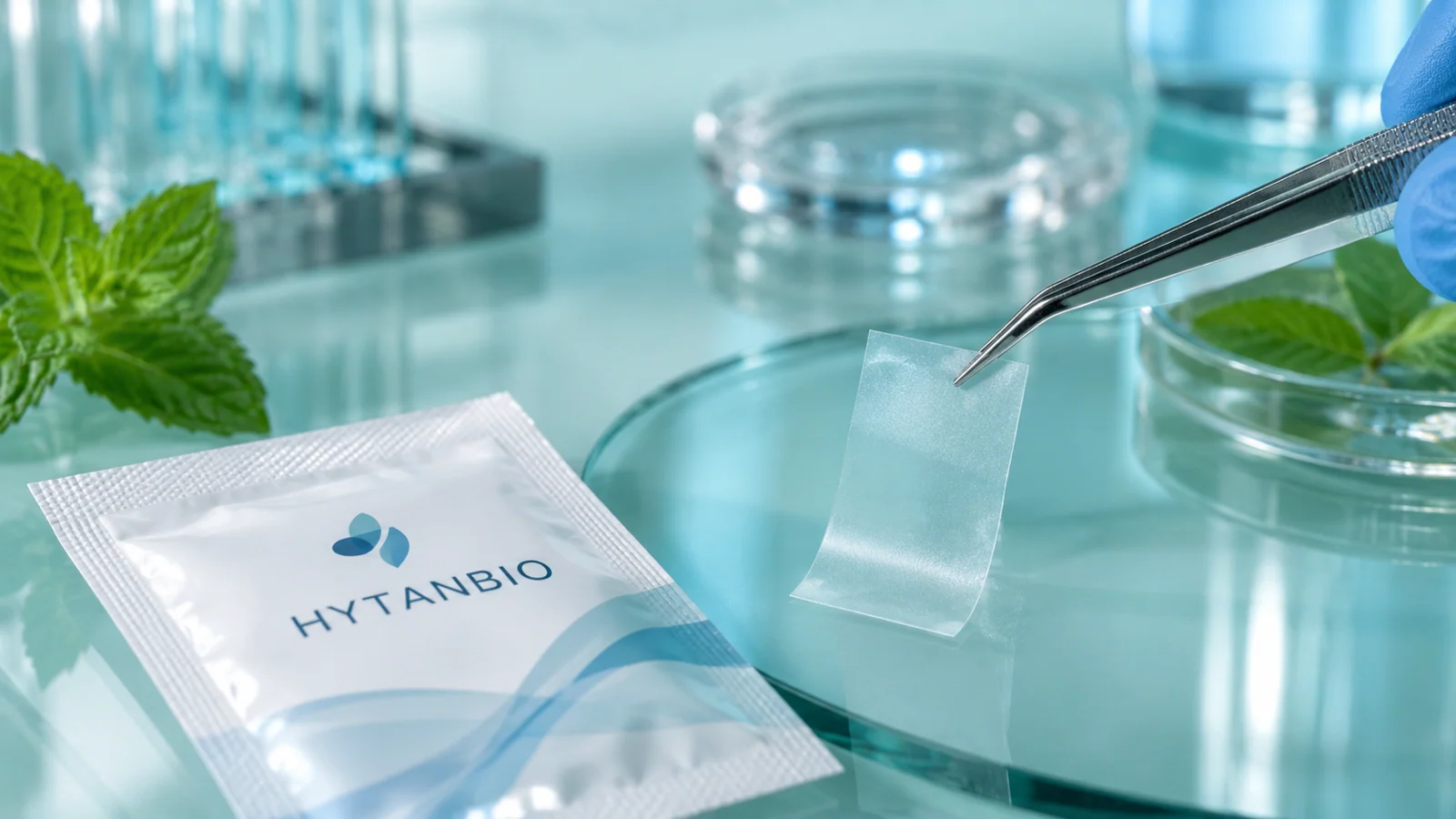
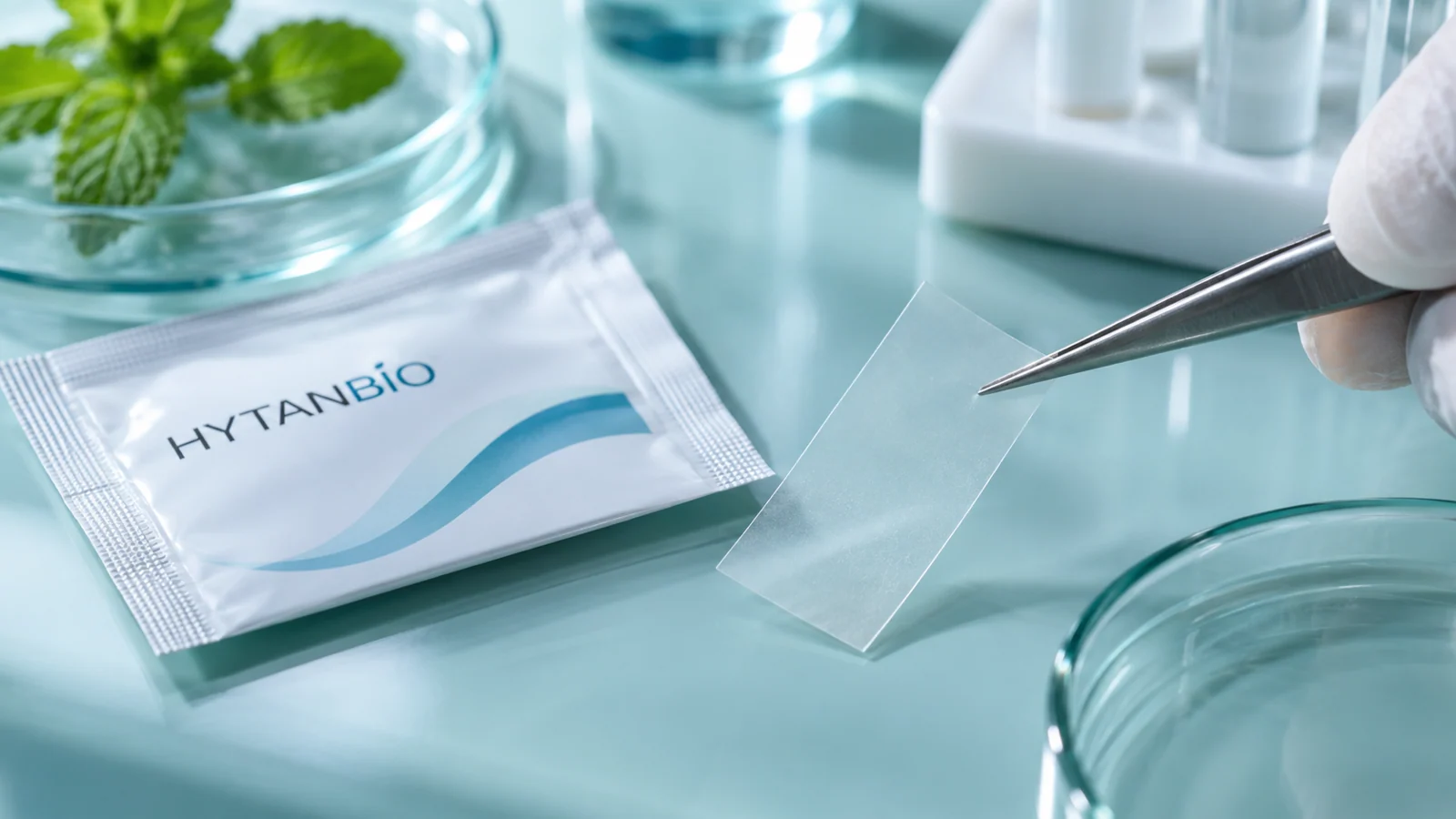
An oral dissolving film is a thin, flexible sheet that releases its contents as it disintegrates or dissolves in the mouth. The format can carry selected ingredients,…
Read Guide →Explore formulation, ingredient feasibility, packaging, quality, market review and a separate laboratory research section.

Search by ingredient, topic or product code. Guides describe technical project decisions and their evidence requirements.
150 guides

An oral dissolving film is a thin, flexible sheet that releases its contents as it disintegrates or dissolves in the mouth. The format can carry selected ingredients,…
Read Guide →

Choose oral films or tablets by looking at the ingredient load, use experience, testing and packaging. A thin-film format can be convenient, while a tablet may better…
Read Guide →
Oral films and gummies create different sensory and manufacturing challenges. Compare them against the same ingredient, serving, audience and market brief before selecting a format.
Read Guide →
A capsule and an oral film can both provide defined units, but they differ in loading, sensory exposure, handling and packaging. Choose the format around the ingredient…
Read Guide →
Oral film manufacture typically involves formulation preparation, film formation, drying, converting and protective unit packaging. The process and controls depend on the selected ingredients and approved specification.
Read Guide →
An oral film formula needs a compatible film-forming system, selected active ingredients and a sensory approach that works in the finished sheet. Ingredient eligibility and achievable loading…
Read Guide →
A film dissolving in the mouth does not prove where an ingredient is absorbed, how much enters circulation or how quickly it causes an effect. Those questions…
Read Guide →
Safety and instructions depend on the final formula, serving level, intended population and market. An attractive thin film should not be assumed to be suitable for everyone…
Read Guide →
Shelf life is established for a specific formulation in its actual packaging under defined conditions. It should not be copied from a raw-material label or an unrelated…
Read Guide →
A private label oral film project works best when the brand defines its market, ingredients, audience, packaging and evaluation criteria before requesting a quote. A reviewed concept…
Read Guide →
The collaboration model describes the project responsibilities. OEM, ODM, CRO and CDMO can all be discussed for oral film development, but the terms alone do not establish…
Read Guide →
Compare oral film development partners by their actual entity, formula feasibility, manufacturing scope, finished-product controls and documentation. A category keyword or certificate graphic is not a substitute…
Read Guide →
Assess a sample against the agreed formula, sensory, handling and packaging criteria. Keep observable format features separate from analytical results and unsupported claims about efficacy.
Read Guide →
An oral film’s protective unit pack is central to handling and stability. Choose material, seals, opening features and artwork around the complete formulation and the intended distribution…
Read Guide →
A mint or fruit reference is only a starting point. The finished film’s actives, polymer, sweetness, acidity and cooling system determine the actual sensory experience.
Read Guide →
Different nutrients create different film challenges. Low-level vitamins, acidity, oil-phase distribution and mineral payloads need separate assessment before an oral film specification is approved.
Read Guide →
Live-culture viability and high-dose prebiotic requirements make these projects especially dependent on testing. A film concept should not be marketed with a viable count or meaningful intake…
Read Guide →
Beauty-nutrition concepts need an ingredient and serving-size review before a film is selected. The thin format can be distinctive, but it cannot replace the quantity or evidence…
Read Guide →Share your ingredients, target market, packaging and expected volume.