



What Are Oral Dissolving Films? A Buyer’s Format Guide
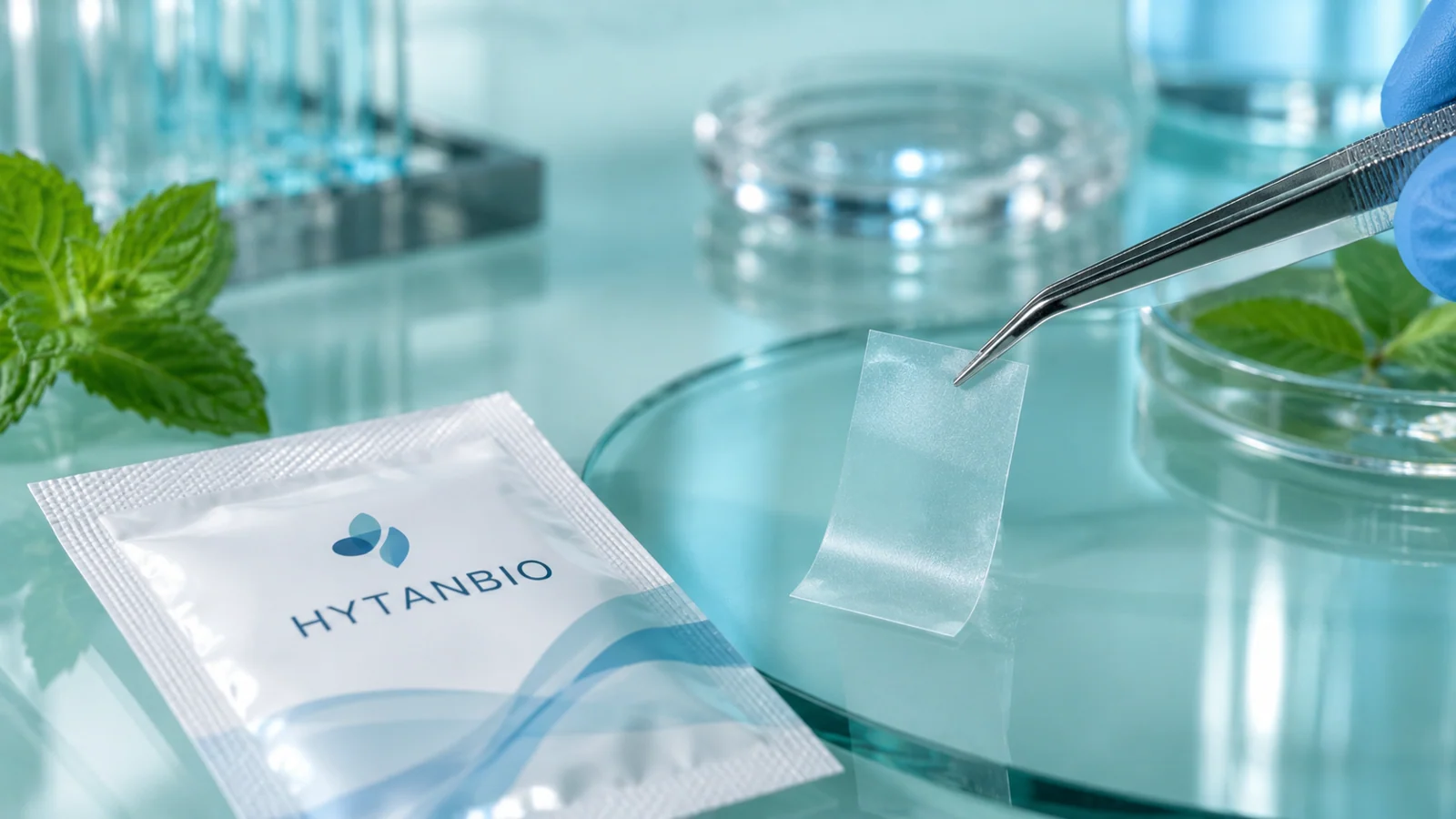
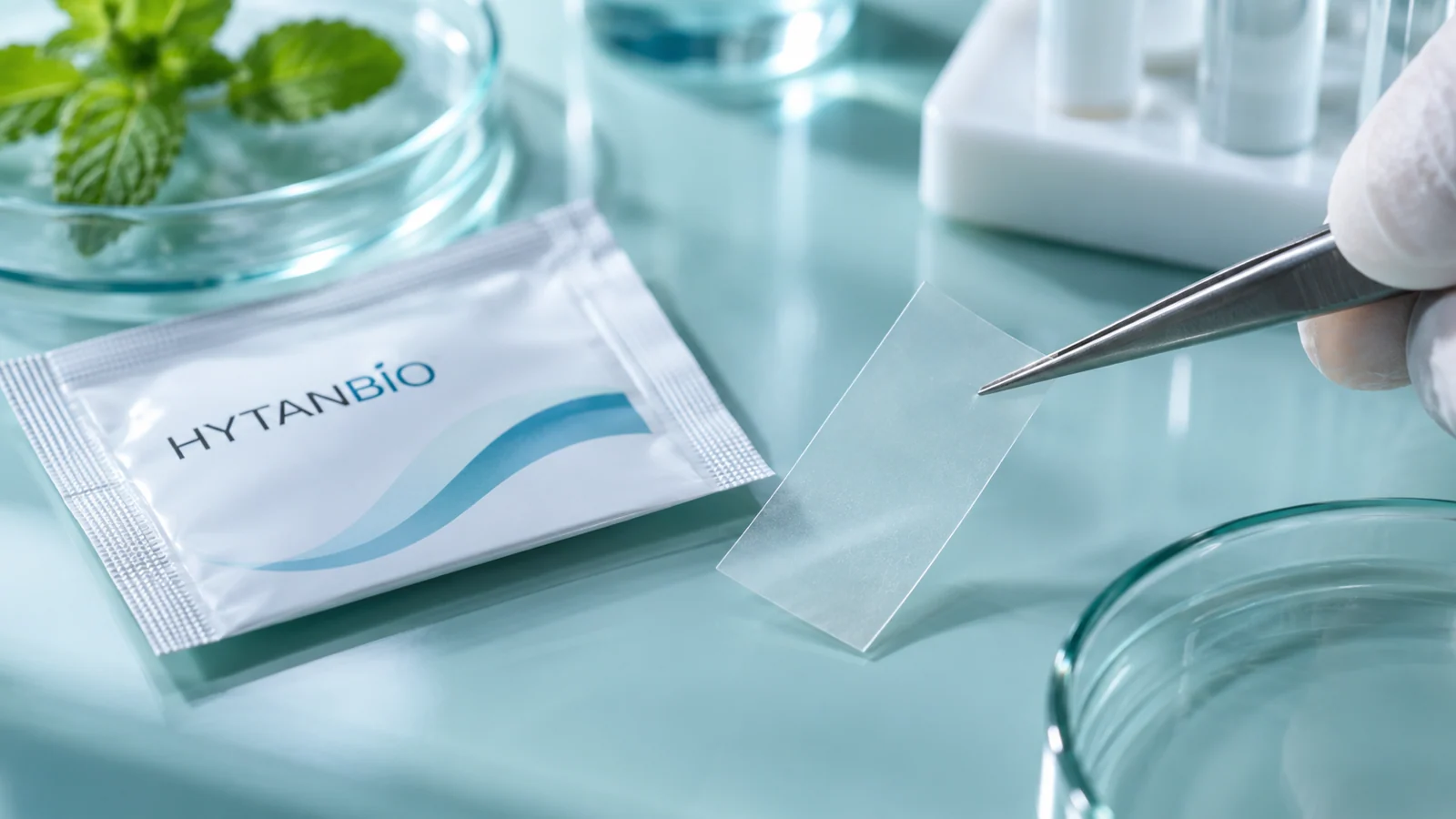
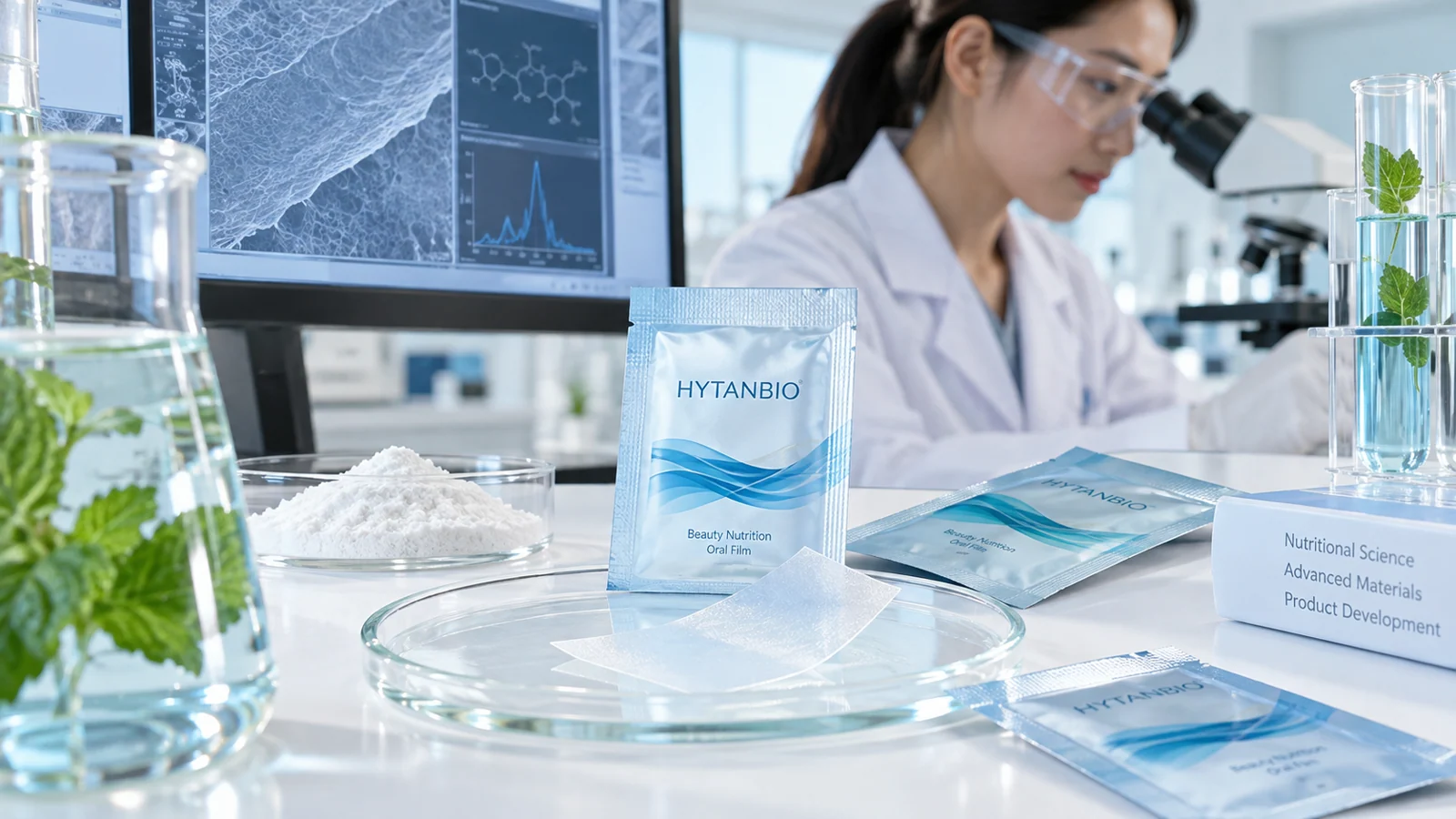
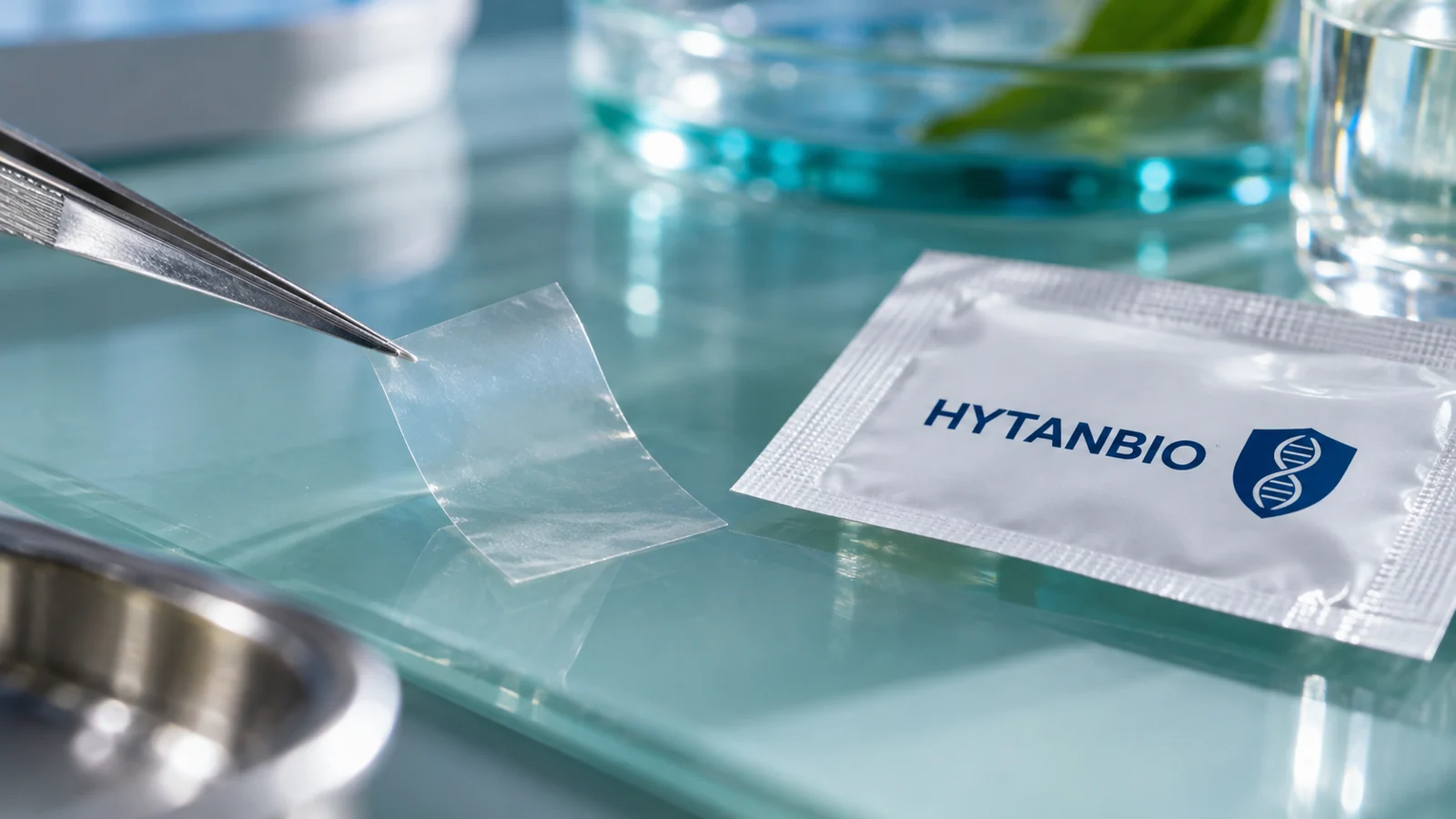
An oral dissolving film is a thin, flexible sheet that releases its contents as it disintegrates or dissolves in the mouth. The format can carry selected ingredients,…
Read Guide →Explore formulation, ingredient feasibility, packaging, quality, market review and a separate laboratory research section.

Search by ingredient, topic or product code. Guides describe technical project decisions and their evidence requirements.
154 guides

An oral dissolving film is a thin, flexible sheet that releases its contents as it disintegrates or dissolves in the mouth. The format can carry selected ingredients,…
Read Guide →

Choose oral films or tablets by looking at the ingredient load, use experience, testing and packaging. A thin-film format can be convenient, while a tablet may better…
Read Guide →
Oral films and gummies create different sensory and manufacturing challenges. Compare them against the same ingredient, serving, audience and market brief before selecting a format.
Read Guide →
A capsule and an oral film can both provide defined units, but they differ in loading, sensory exposure, handling and packaging. Choose the format around the ingredient…
Read Guide →
Oral film manufacture typically involves formulation preparation, film formation, drying, converting and protective unit packaging. The process and controls depend on the selected ingredients and approved specification.
Read Guide →
An oral film formula needs a compatible film-forming system, selected active ingredients and a sensory approach that works in the finished sheet. Ingredient eligibility and achievable loading…
Read Guide →
A film dissolving in the mouth does not prove where an ingredient is absorbed, how much enters circulation or how quickly it causes an effect. Those questions…
Read Guide →
Safety and instructions depend on the final formula, serving level, intended population and market. An attractive thin film should not be assumed to be suitable for everyone…
Read Guide →
Shelf life is established for a specific formulation in its actual packaging under defined conditions. It should not be copied from a raw-material label or an unrelated…
Read Guide →
A private label oral film project works best when the brand defines its market, ingredients, audience, packaging and evaluation criteria before requesting a quote. A reviewed concept…
Read Guide →
The collaboration model describes the project responsibilities. OEM, ODM, CRO and CDMO can all be discussed for oral film development, but the terms alone do not establish…
Read Guide →
Compare oral film development partners by their actual entity, formula feasibility, manufacturing scope, finished-product controls and documentation. A category keyword or certificate graphic is not a substitute…
Read Guide →
Assess a sample against the agreed formula, sensory, handling and packaging criteria. Keep observable format features separate from analytical results and unsupported claims about efficacy.
Read Guide →
An oral film’s protective unit pack is central to handling and stability. Choose material, seals, opening features and artwork around the complete formulation and the intended distribution…
Read Guide →
A mint or fruit reference is only a starting point. The finished film’s actives, polymer, sweetness, acidity and cooling system determine the actual sensory experience.
Read Guide →
Different nutrients create different film challenges. Low-level vitamins, acidity, oil-phase distribution and mineral payloads need separate assessment before an oral film specification is approved.
Read Guide →
Live-culture viability and high-dose prebiotic requirements make these projects especially dependent on testing. A film concept should not be marketed with a viable count or meaningful intake…
Read Guide →
Beauty-nutrition concepts need an ingredient and serving-size review before a film is selected. The thin format can be distinctive, but it cannot replace the quantity or evidence…
Read Guide →Share your ingredients, target market, packaging and expected volume.
A coating interruption leaves material in several different conditions. Map the casting mix, wet web, dryer and converted units before deciding what to hold, what to examine and which evidence can support a controlled restart.
Visible bubbles can originate in mixing, sampling or transfer. A useful investigation follows the same casting mix through those stages, distinguishes air from solids and checks whether a proposed deaeration step changes the formulation being coated.
A casting mix experiences mixing, pumping, rest and coating before it becomes a film. Compare its flow response along that sequence, with measurement conditions attached, before treating a single viscosity value as a transferable manufacturing target.
A roll's nominal area does not equal finished-unit output. Separate usable width, cut layout, samples, mapped defects and downstream rejects so oral-film buyers can understand where a quoted yield comes from and what remains uncertain.